39years as a family-run company
600new customers each year
20 000customers worldwide

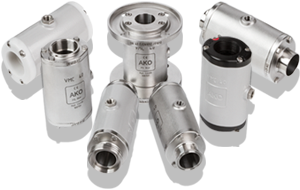
Product highlights for Pressure Relief Valves:
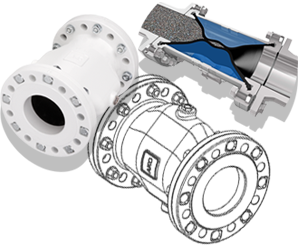
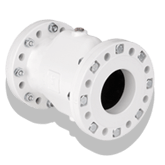
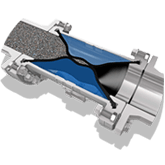
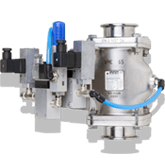
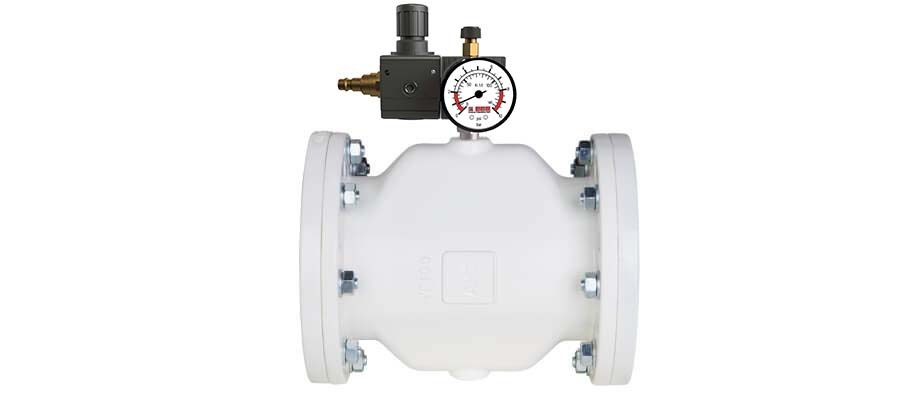
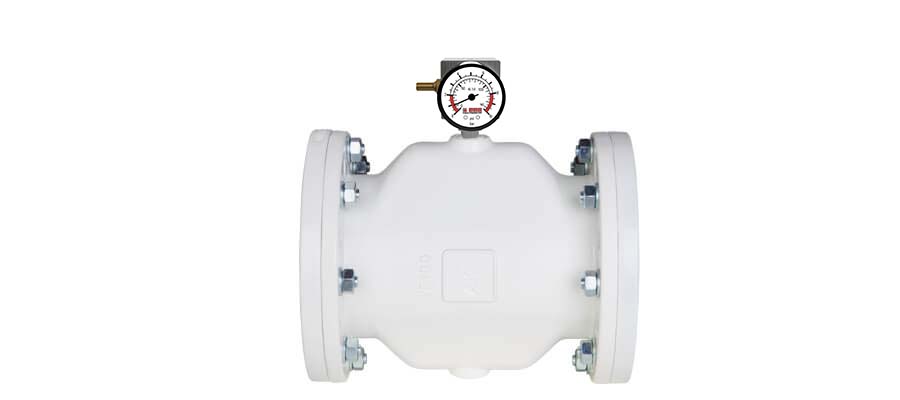
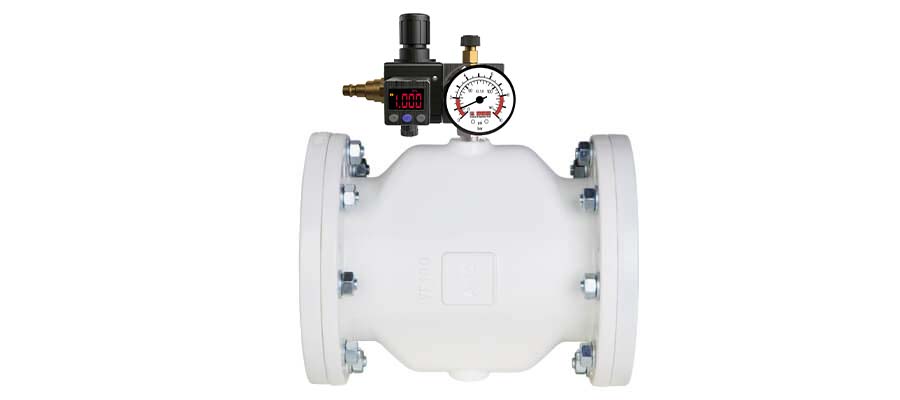
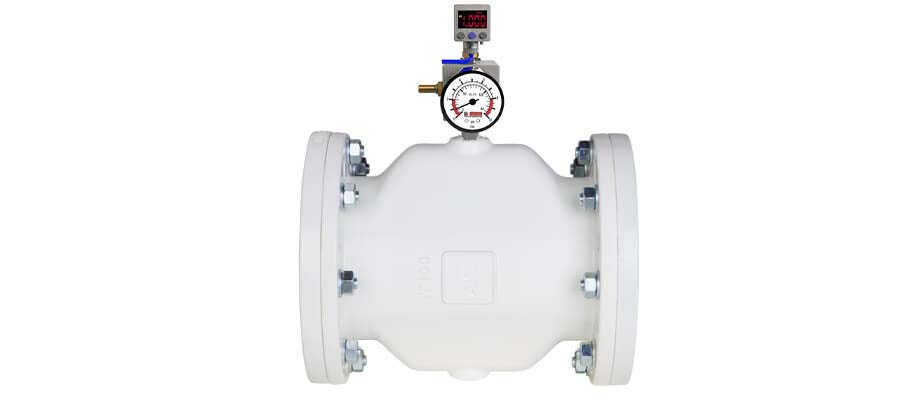
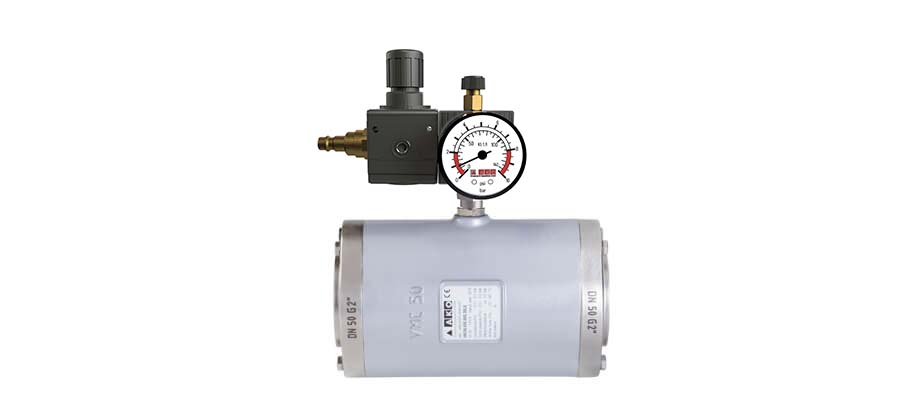
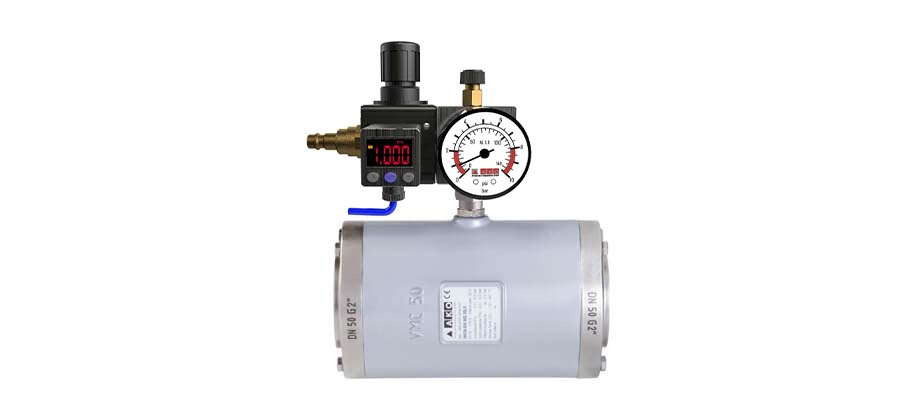
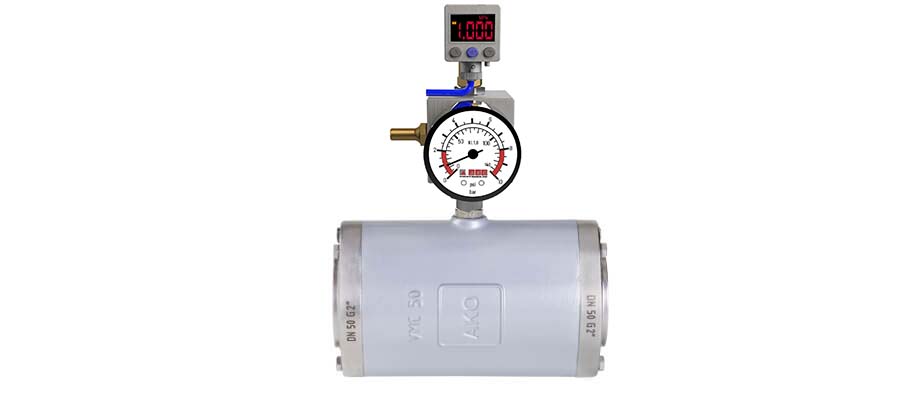
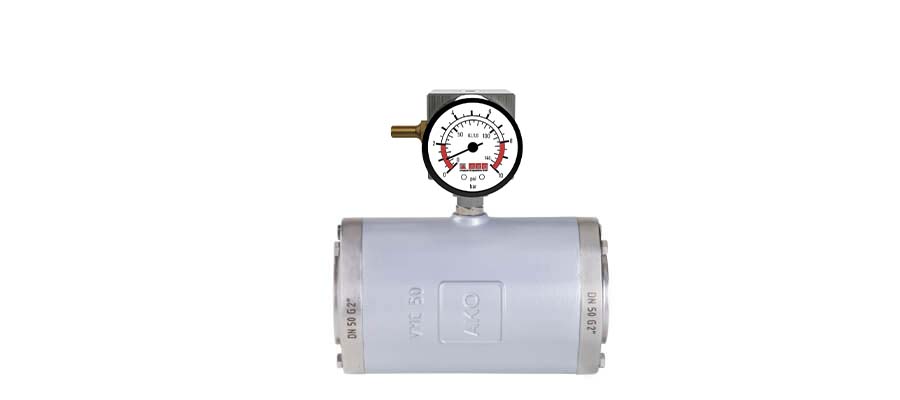
The Pressure relief valve comprise a combination of an overflow unit of either type LV (control air available) or alternatively of type LNV (control air not available), as well as a pneumatic pinch valve from the VF or VMC series.
When in use, pre-load pressure (differential pressure) is applied to the valves body; this means that they are always closed when in the normal position. The pre-load pressure (differential pressure) is between 2 - 2.5 bar above the maximal feed or medium pressure depending on the nominal diameter and type of elastomer. Depending on the nominal diameter involved the Pressure relief valves range of applied pressure is between 0 - 6 bar. The maximum operating temperature is 60° C.
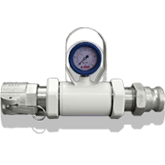
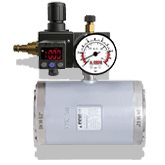
The pressure relief units are available in the following versions:
The Pressure relief valves main area of application is to be found in the bypasses of pumps for conveying waste water, sludge and other suspensions. However, they are also frequently used as regulating or relief valves in diverse installations, tanks or silos.
As soon as the maximal feed or medium pressure is exceeded because of restrictions in the pipeline or other blockages, the Pressure relief valve starts opening steadily and the excess pressure is able to circulate through the pump's bypass or the installation's pipeline. It is therefore able to protect diverse pumps and tanks from excess pressures and the overload of engines and materials arising as a result. Changes in control pressures can be monitored via integrated pressure switches.
Global market leader
39years as a family-run company
600new customers each year
20 000customers worldwide
Unique delivery promise
< 0.2%complaint rate
> 99%customer satisfaction
30sales partner worldwide
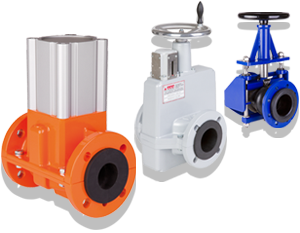
Widest pinch valve product range
10 000pinch valve variants
2 500variants available ex stock
100 000units sold each year
Extensive service activities
80CAD formats
32assembly & animation videos
16multilingual documentation